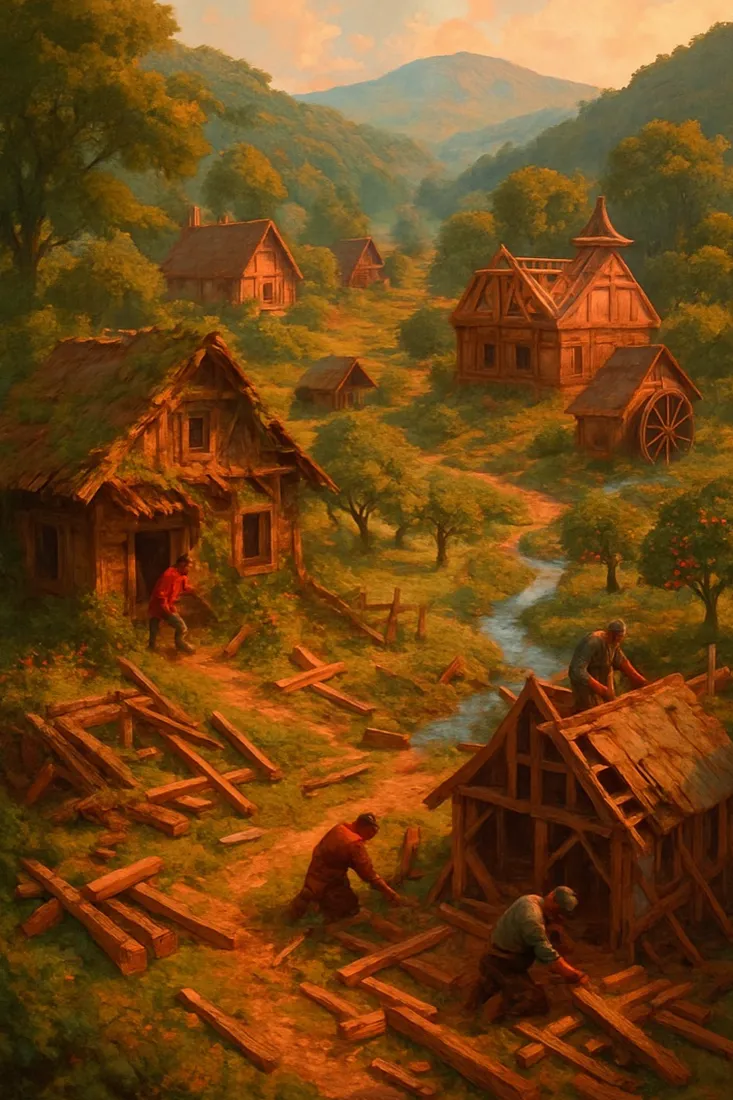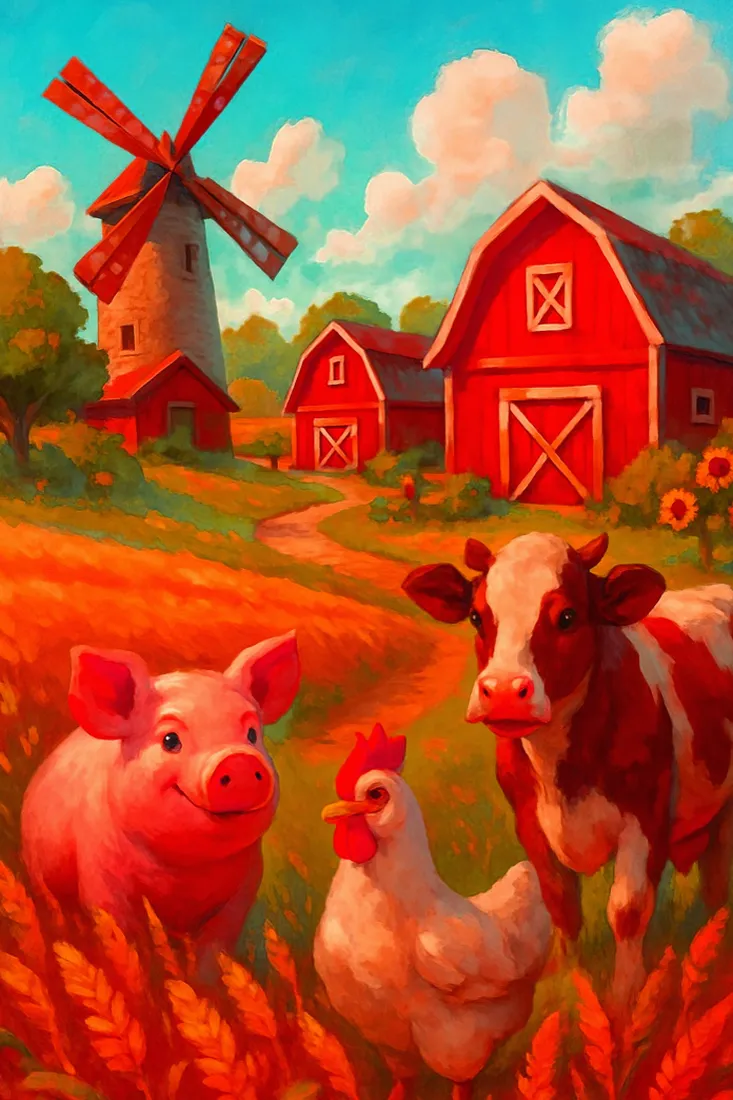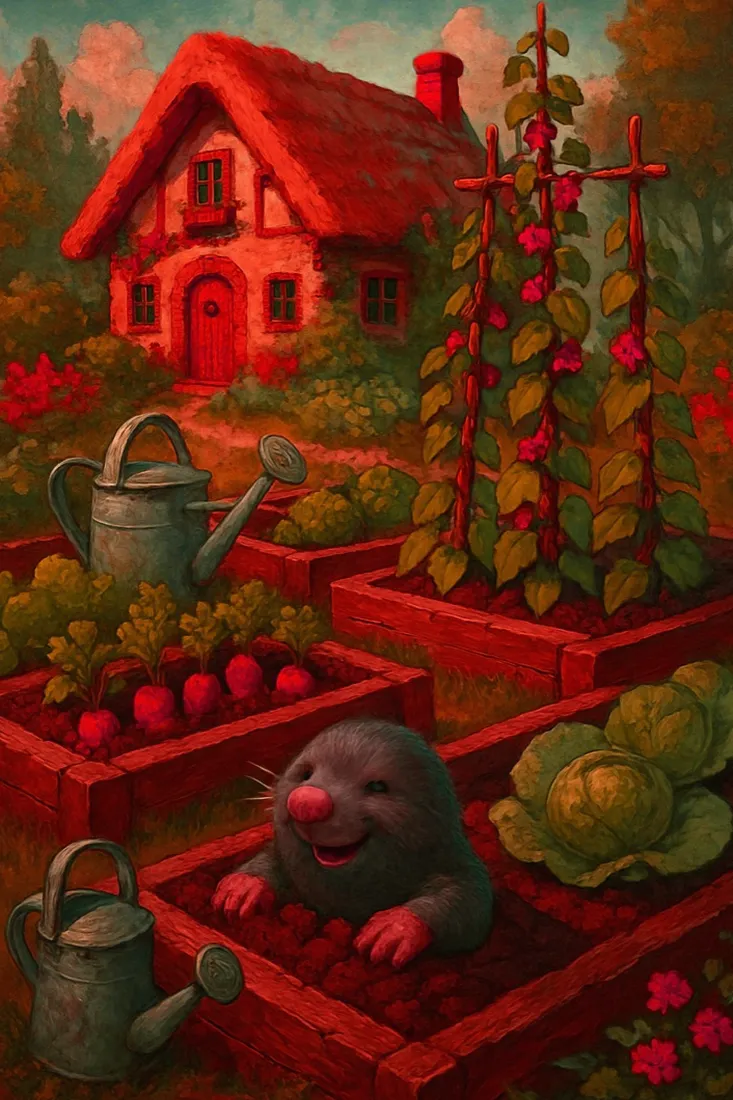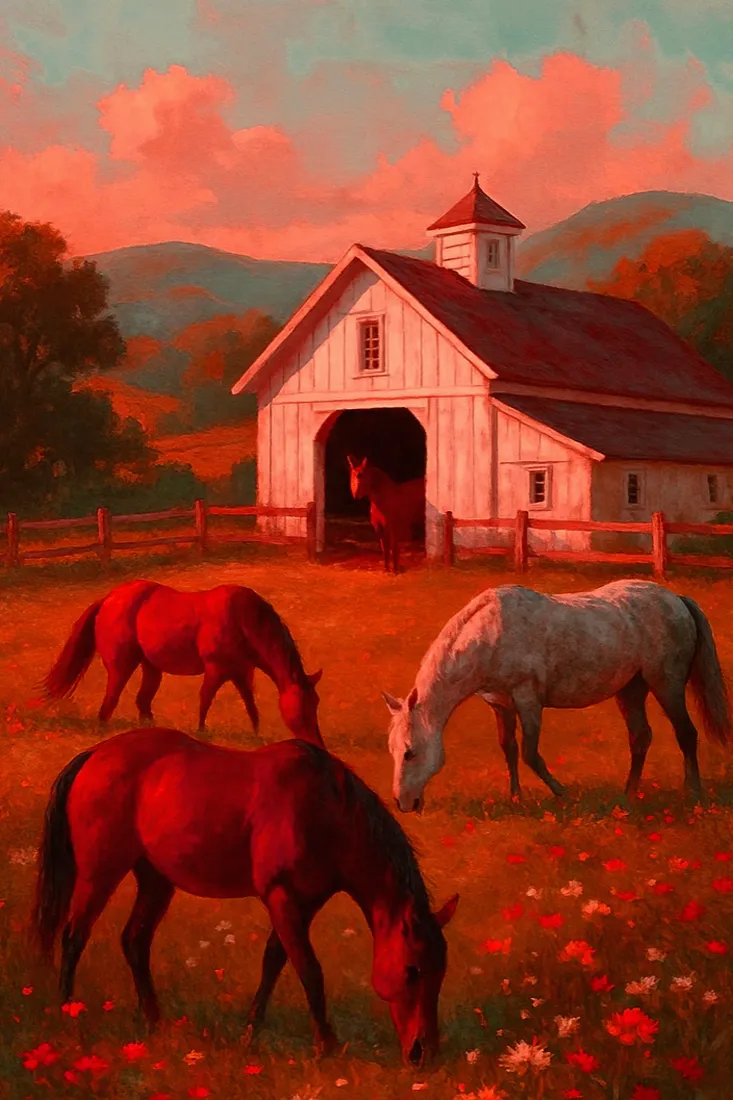
My Free Farm does not try to charm you on sight. The art is tidy and old-fashioned, the menus are functional, and the first few minutes feel almost like a demonstration of how a farm game works. Then you notice the numbers. Each crop grows at its own speed, each animal has its own appetite, and the price of everything moves on a marketplace run by other players. Suddenly a plain little farm becomes a rather absorbing small business.
The upjers description promises 32 fruits and vegetables, barn animals that give milk, honey, eggs and wool, and 45 levels to climb from humble Farm Hand to the gloriously named Cesare di Cereale. That ladder is long and the steps are well spaced. Every few levels something new unlocks, but nothing arrives so fast that you lose track of what you already have. For a game that has been running this long, it remains remarkably coherent.
Thirty-two crops and a timetable on the fridge
Fields are the beating heart of the farm. You plant vegetables and fodder plants, wait for them to ripen and harvest them before planting again, and the best players think in cycles rather than single plantings. Quick crops suit days when you can check in often; slower ones suit a night’s sleep or a long day at work. Matching what you plant to when you will next be free is the core skill, and it is genuinely satisfying to get right.
The windmill adds a layer of craft. You can buy bonus recipes and have them turned into power-ups that speed up growth or increase yields, which turns timing into an investment question: use a boost now for a quick return, or save it for a field of something valuable? None of this is explained exhaustively, and part of the pleasure is working it out with your own notes.
Cows, bees and a cheese habit
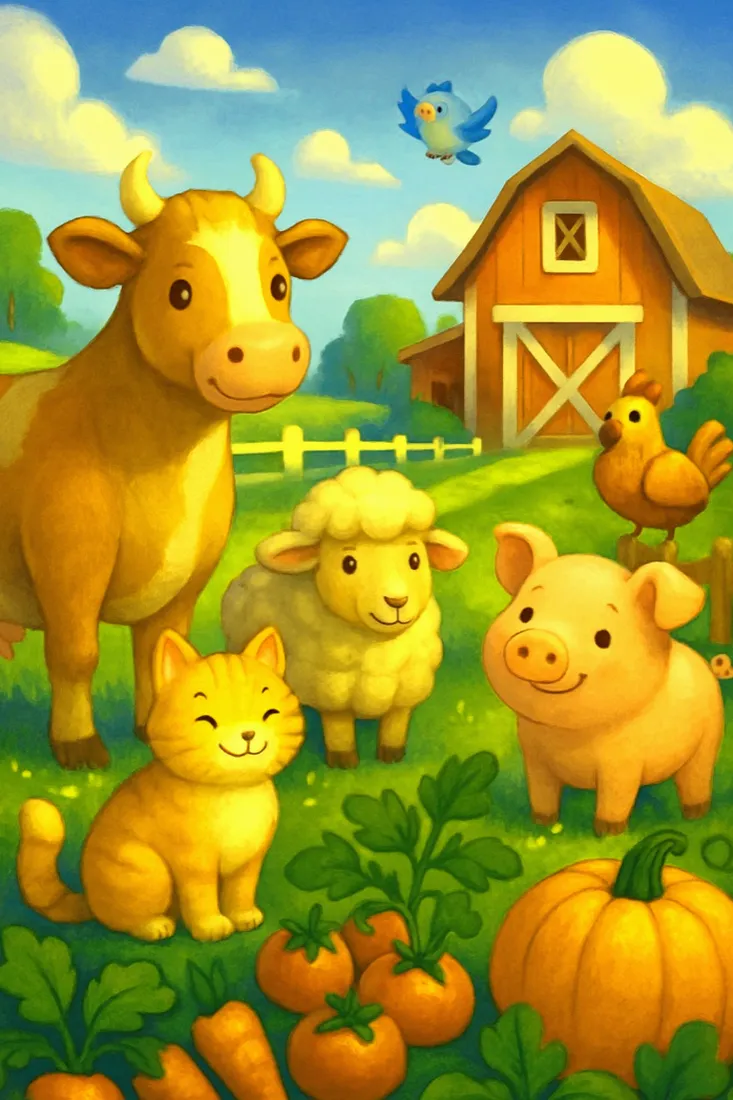
Animals are where the economy deepens. Cows, chickens, sheep and bees each need feeding from your own fodder crops, which ties the barn to the fields in a way that makes planning matter. A field of fodder that ripens late means hungry cows, and hungry cows mean no milk for the dairy. That interlocking quality is what gives My Free Farm its staying power.
Raw goods can be processed into mayonnaise, candy, cheese and balls of wool, then sold directly to customers who arrive with orders. Deciding whether to sell milk as it is or turn it into cheese is a small but constant decision, and the right answer shifts with demand. We found ourselves keeping a scrap of paper by the keyboard, which is either a glowing recommendation or a warning, depending on your temperament.
Farmers’ clubs and the marketplace hum
You can farm alone, but the game opens up when you join a farmers’ club. Clubs complete guild quests together, working from bronze toward gold medal standing, and members trade with one another. It is a low-pressure kind of cooperation: nobody is going to shout at you for missing a day, but a club with active members makes the long middle levels far livelier.
The marketplace is the other social engine. Surplus crops can be listed for sale and bought by other farmers, which means a glut of carrots on your side can become someone else’s missing ingredient. Reading the market for a few minutes before you plant is the closest this game comes to a strategy layer, and players who enjoy that will find months of quiet entertainment here.
Plain clothes, honest pacing
My Free Farm runs in a desktop browser with no download, and that suits it. This is a game for a proper screen, where you can see fields, barns and order lists at once. The look is simple, decoration options exist for your farmhouse and grounds, but nobody plays this one for the scenery. You play it for the quiet click of a plan coming together.
We found the free experience fair. Premium currency speeds things up and buys some extras, but the core economy is open to everyone and the best gains come from good planning rather than spending. The real cost is attention: if you want to climb the levels efficiently, you will be checking in at sensible intervals for weeks. For the right player, that is exactly the appeal.
My Free Farm: the first week of chores
- Plant quick-growing vegetables while you learn the interface, then switch to slower crops before longer absences.
- Grow fodder alongside food crops from the start, so your first cows and chickens never stand hungry.
- Process milk and eggs into higher-value goods once the dairy and kitchen options open up.
- Check the marketplace before planting a big field; another farmer’s shortage is your opening.
- Join an active farmers’ club by the end of the week for shared quests and easy trading partners.
What we love
- Fields, barn and processing chains interlock into a genuinely satisfying economy.
- Forty-five levels are paced so new features arrive steadily, never in a flood.
- Player marketplace rewards reading demand before you commit a field.
- Free players can reach nearly everything through planning rather than spending.
What grates
- Old-fashioned presentation that will not win over anyone who wants pretty scenery.
- Little explanation of the windmill and processing maths for newcomers.
- Desktop only, so quick harvests on a phone are off the table.
The farmer My Free Farm suits
My Free Farm is for planners: the kind of player who enjoys optimising a routine, reading a market and watching small decisions add up over weeks. It also suits anyone who wants a farm without heavy shop pressure. If you need a story or lavish art to stay interested, look elsewhere.
My Free Farm, at harvest
The deepest farm on our shelf and the fairest to free players. My Free Farm wears plain clothes, but beneath them sits a superbly interlocked economy of fields, fodder, animals and processing, with a marketplace and clubs adding a gentle social hum. It asks for regular attention and offers little spectacle, yet few farm games reward thought so consistently. A slow-burning delight for the patient.