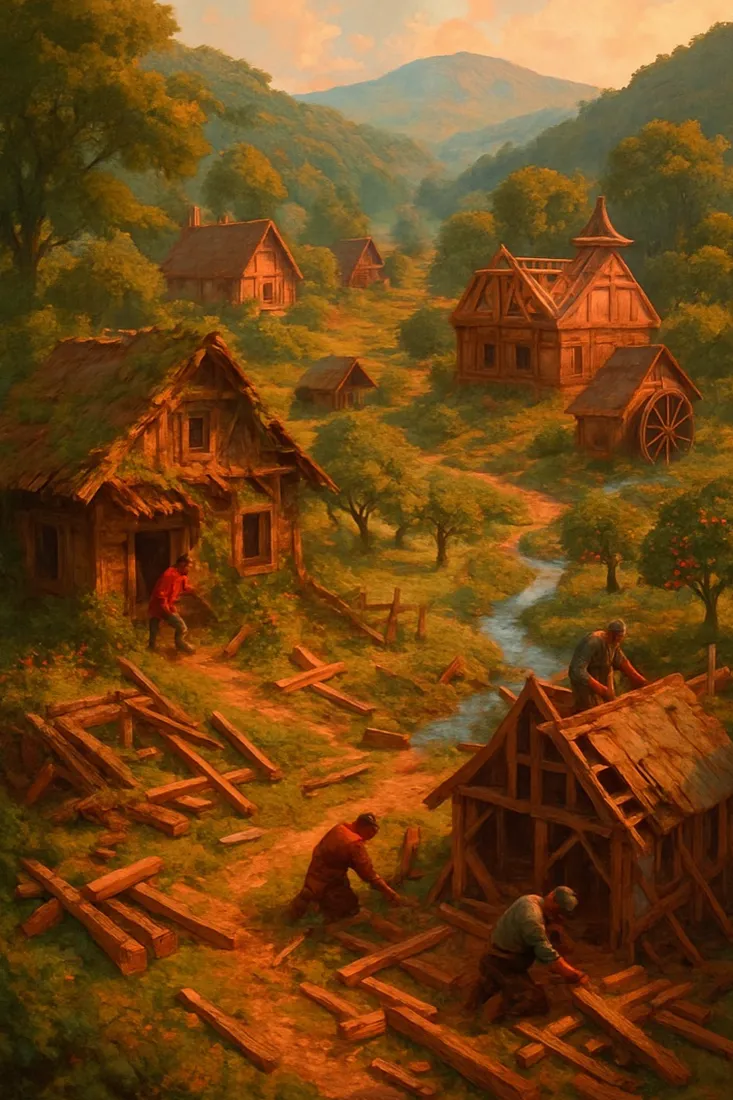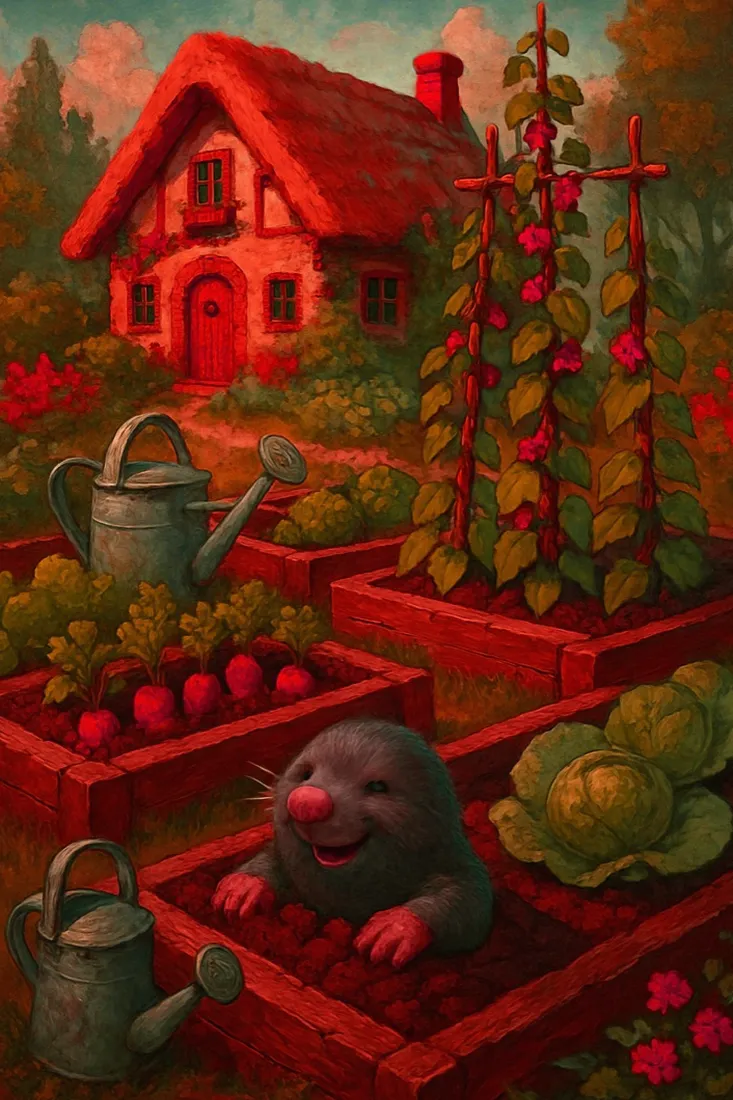
Not every country dweller wants a combine harvester. Molehill Empire 2 is about a garden, not an estate: neat beds of fruit and vegetables, a few special buildings and a cast of gnomes with grand ambitions for sustainable, organic gardening. The setting is Green Valley, and the tone is cheerful in a slightly odd, very upjers way. It is a game where a gnome can be trained as a singer or entered as a jockey in a snail race, and that tells you most of what you need to know.
Underneath the whimsy sits a sensible gardening loop. You grow produce to make your customers happy, keep weeds and aphids off your plants, and earn the money to plant more and better crops. Quests gradually unlock new features, such as honey production and a medicinal herb garden, so the garden grows outward at a comfortable rate. It never sprawls like Big Farm, which is exactly the point.
Beds, weeds and well-timed harvests
The rhythm of Molehill Empire 2 is planting, tending and harvesting at the right moment. Different crops ripen at different speeds, so you learn to match plantings to your day, and you keep an eye out for weeds and aphids that need dealing with. It is a tidier, more tactile loop than the big farm games, closer to pottering in an allotment than managing a business.
Customers arrive wanting particular produce, and serving them well is how you earn. That gives each session a gentle target: look at who is waiting, check what is ripening, and plan the next round of planting around their orders. Experimenting with new varieties is part of progression too; the game encourages you to sow, research and improve your yields over time.
Singing gnomes and snail jockeys
The gnomes are the game’s signature. They help with garden tasks, and they can be trained into specialists: singing gnomes that help harvest special fruits, or jockeys for snail races. Upjers also mentions raindancing gnome shamans among the cast. None of this is deep simulation, but it gives the garden a lived-in, faintly silly character that makes logging in feel friendly.
Buildings with very special features round out the plot, and decorating is part of the appeal. You can make the garden look like your own little world, and the quest chain keeps adding reasons to rearrange things. If Farmerama is a cheerful petting zoo, Molehill Empire 2 is the eccentric neighbour’s back garden, the one with a gnome under every hedge.
Trading tips through the garden fence
Trading is where the game becomes social. A built-in messenger lets you talk with other gardeners and find good deals, and guilds give you a group to work with on shared tasks. You can play happily alone, but a little trading smooths over the moments when a customer wants something you have not got.
We liked how relaxed this felt. There is no hard competitive edge, and cooperation is mostly about helping each other fill orders. Trophies and achievements give you private goals to chase. For players who find the busy co-ops of larger farm games too intense, Molehill Empire 2 offers community at the pace of a chat over the fence.
A garden that fits in your pocket
Molehill Empire 2 plays in a desktop browser and as a standalone app for iOS and Android, designed for touchscreens. The app suits the game’s short harvest-and-replant visits perfectly; we found ourselves checking beds over morning coffee and again on the way home. The browser version is better for planning a full replant or arranging decorations.
The shop offers the usual speed-ups and extras, and it is noticeable without being overbearing. Because the loop is built around short, regular visits, free players progress comfortably as long as they check in now and then. The main limit is ambition: if you want a vast estate, this compact garden will eventually feel too small.
Molehill Empire 2: the first week of chores
- Plant a mix of quick and slow crops so something is always ready when you open the garden.
- Serve waiting customers before replanting, choosing seeds that match the orders you see most often.
- Clear weeds and aphids promptly; a neglected bed costs you harvests you were counting on.
- Follow quests until honey production or the herb garden appears, then build those into your routine.
- Use the messenger to say hello to nearby gardeners and find a guild with friendly traders.
What we love
- Gnome specialists give the garden real personality and a gentle sense of humour.
- Short harvest-and-replant visits are ideal for the phone app.
- Messenger and guilds make trading easy and low-pressure.
- Quests unlock honey and herbs at a satisfying, steady pace.
What grates
- Compact scale may feel limiting to players who crave a vast estate.
- Whimsy will grate if you prefer a straight-faced farming simulation.
- Customer orders can repeat for long stretches in the middle levels.
The farmer Molehill Empire 2 suits
Molehill Empire 2 suits gardeners rather than farmers: people who enjoy tending a manageable plot, love a dash of eccentric humour and like to trade with neighbours. It is ideal if you want something on your phone for short visits. Estate builders should head to Big Farm.
Molehill Empire 2, at harvest
A charming, compact garden game with a strong personality. Molehill Empire 2 does the essentials well, with tidy beds, customers to please, pests to beat, and adds gnomes, guilds and an easy trading messenger that make it feel warm and sociable. Its smaller scale is both strength and ceiling, but as a pocket garden for daily pottering it is a delight.